A Strategic Guide by CodeBiceps for Modern Enterprises
Artificial Intelligence is no longer experimental technology—it is competitive infrastructure.
In 2026, companies that scale fastest are not simply hiring more people or increasing marketing spend. They are building intelligent systems that automate decisions, predict outcomes, personalize experiences, and continuously optimize performance.
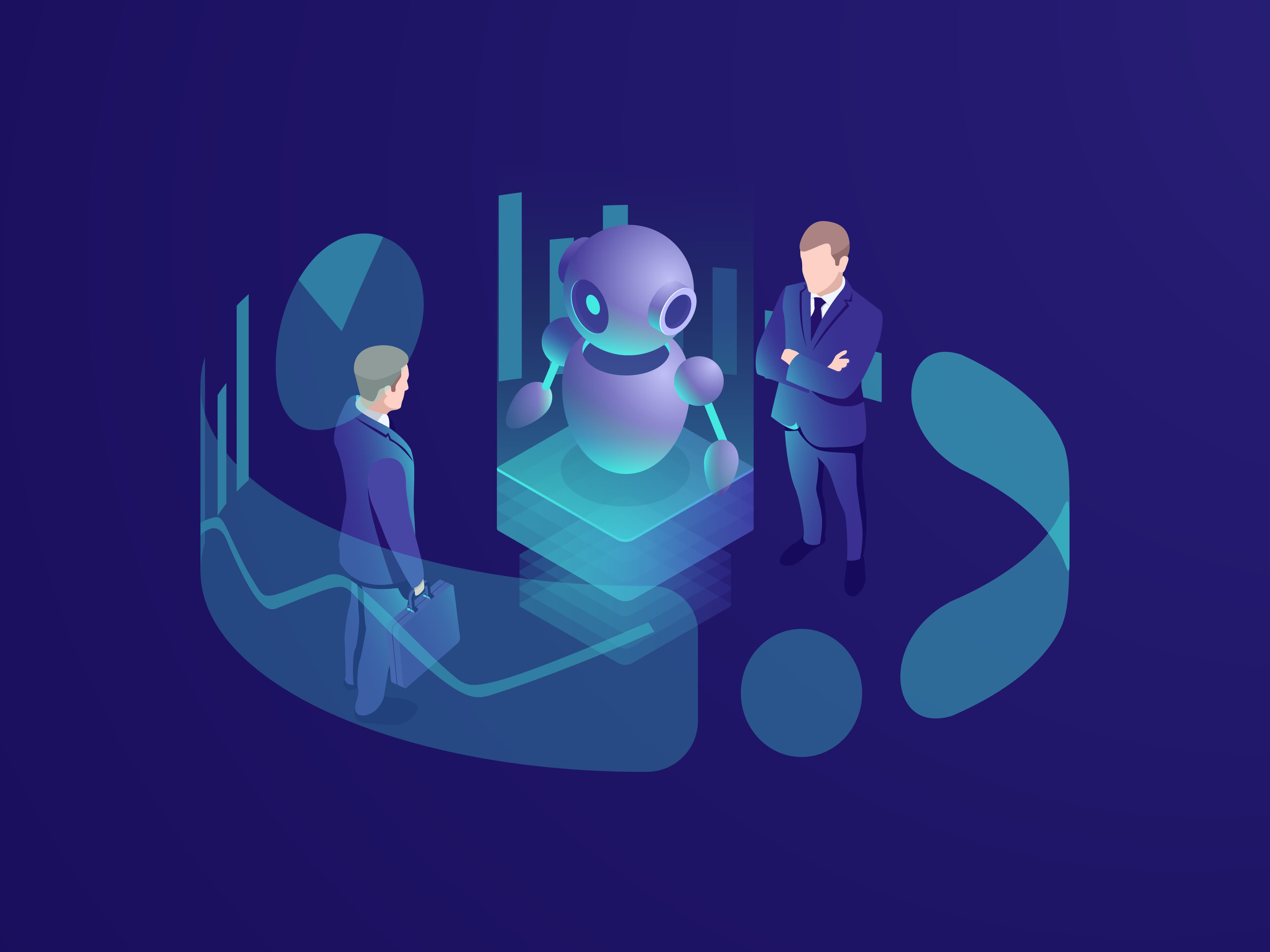
At CodeBiceps, we work with growth-focused companies that use AI not as a tool—but as a multiplier. The result is faster revenue growth, leaner operations, stronger margins, and long-term competitive advantage.
Why AI Is Essential for Business Growth in 2026
Markets now move faster than manual decision-making can keep up with.
Consumer behavior shifts in real time. Supply chains fluctuate unpredictably. Customer expectations demand instant personalization. Traditional systems cannot adapt quickly enough.
AI enables businesses to:
- Automate repetitive operational tasks
- Reduce human error and operational inefficiencies
- Improve forecasting accuracy using predictive analytics
- Enable hyper-personalized marketing at scale
- Extract actionable insights from massive datasets
- Accelerate product development cycles
- Improve customer retention and lifetime value
Companies that delay AI adoption are falling behind competitors who operate faster, smarter, and more efficiently.
How AI Improves Operational Efficiency
Operational inefficiency is one of the largest hidden growth barriers in modern companies.
AI reduces waste, bottlenecks, and costly errors by continuously learning from data and optimizing workflows.
Key Operational Applications
- Smart inventory management systems
- Automated supply chain optimization
- Intelligent workforce scheduling
- AI-driven fraud detection
- Predictive maintenance systems
- Automated document processing
- Robotic Process Automation (RPA)
At CodeBiceps, we design AI-driven systems that integrate directly into operational pipelines—so automation enhances productivity without disrupting workflows.
How AI Directly Increases Revenue and Sales
AI is not just about cost reduction. It is a revenue engine.
It identifies patterns and behavioral signals that humans often miss.
Revenue-Accelerating AI Capabilities
- AI-powered lead scoring
- Dynamic pricing models
- Personalized product recommendations
- Automated email marketing optimization
- Sales forecasting using predictive analytics
- Customer churn prediction
- Cross-sell and upsell automation

When properly implemented, AI does not just improve marketing—it transforms revenue strategy.
How AI Enhances Customer Experience
In 2026, customers expect instant, personalized engagement.
AI enables businesses to move from reactive service to proactive experience management.
AI-Driven Customer Experience Tools
- 24/7 AI chatbots and virtual assistants
- Sentiment analysis for feedback monitoring
- Voice AI support systems
- Behavior-based personalization engines
- Smart recommendation systems
- Automated complaint resolution workflows
- Real-time customer insight dashboards
CodeBiceps helps companies implement AI-powered experience systems that combine automation with strategic oversight—ensuring personalization feels intelligent and scalable.
Implementing AI Strategically for Growth
AI implementation must align with business objectives—not technology trends.
At CodeBiceps, we follow a structured approach:
- Define measurable growth objectives.
- Audit existing workflows to identify automation opportunities.
- Organize high-quality structured data.
- Select scalable AI tools and architecture.
- Start with pilot projects before full-scale deployment.
- Measure ROI using defined KPIs.
- Continuously optimize and retrain models.
Strategic implementation is the difference between experimental AI and enterprise-grade growth acceleration.
Traditional Business Growth vs AI-Driven Business Growth
Traditional Business Growth: - Manual decision-making - Slow operational scaling - Generic marketing campaigns - Reactive customer support - Static forecasting models
AI-Driven Business Growth: - Real-time data-driven decisions - Automated scalable systems - Hyper-personalized targeting - Predictive and proactive service - Continuous predictive analytics
AI-driven companies scale smarter—not just larger.
Common Mistakes Companies Make With AI
Many organizations invest in AI but fail to see ROI because they:
- Implement tools without strategic alignment
- Ignore data quality issues
- Skip change management
- Expect immediate transformation
- Underestimate integration complexity
AI is powerful—but only when embedded into core business processes.
How CodeBiceps Helps Businesses Scale with AI
At CodeBiceps, we build:
- Scalable AI-driven architectures
- Automation-first operational systems
- Intelligent personalization engines
- Predictive analytics frameworks
- AI-integrated SaaS platforms
Whether you are optimizing existing systems or building AI-first products, our team helps you design, implement, and scale intelligent solutions aligned with your business goals.
Ready to Scale Faster?
AI-powered growth is not about adopting tools—it is about building smarter systems.
If your organization is ready to automate operations, improve margins, increase revenue efficiency, and deliver hyper-personalized experiences—CodeBiceps can help you implement AI strategically and at scale.